
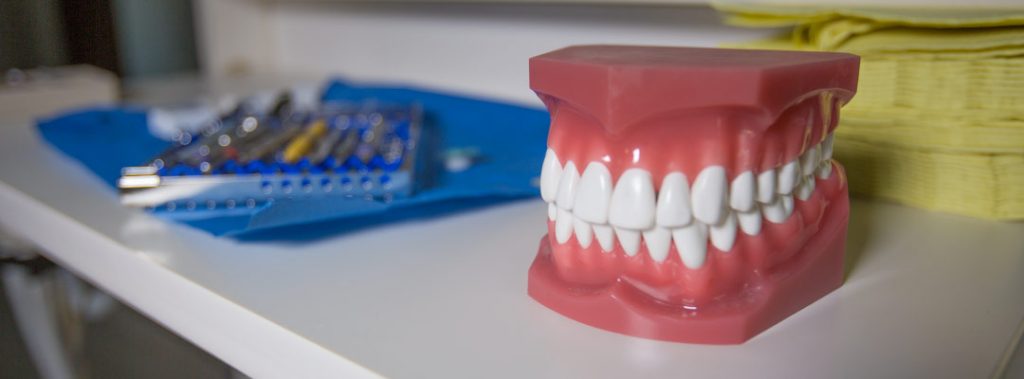
Why Choose Westdale Dental Center for Preventative Care

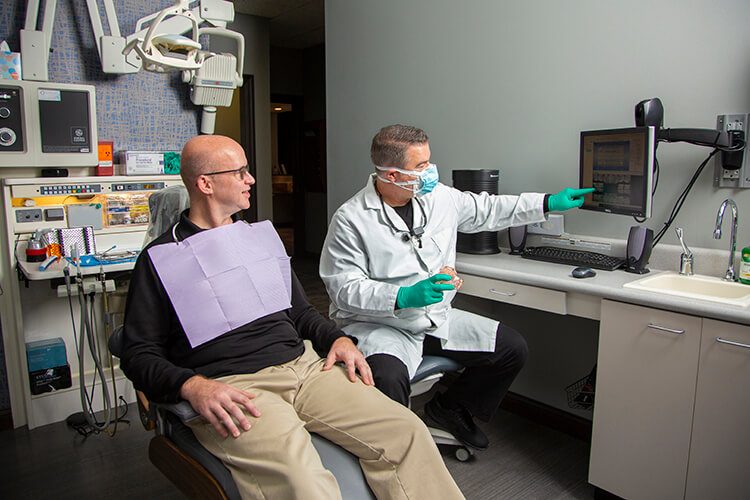
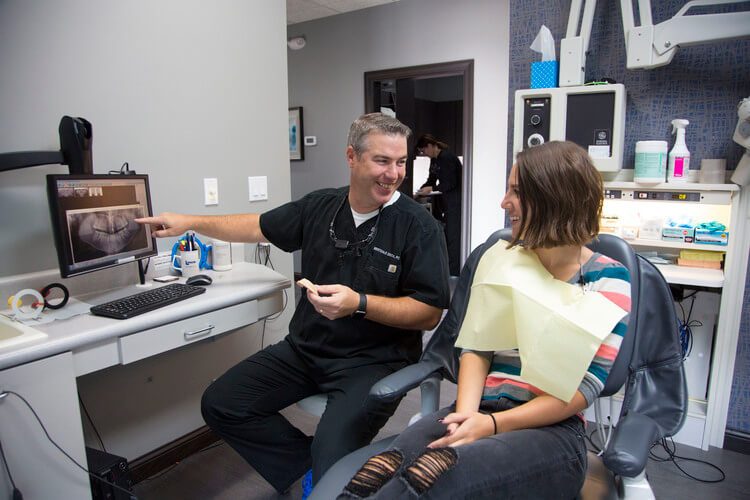
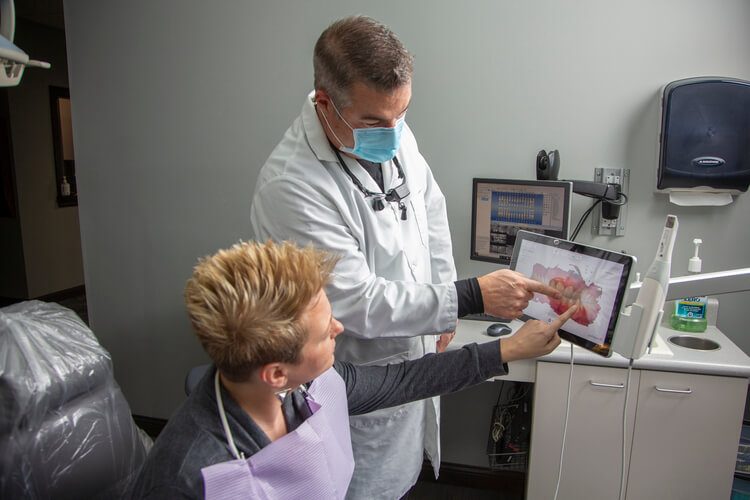
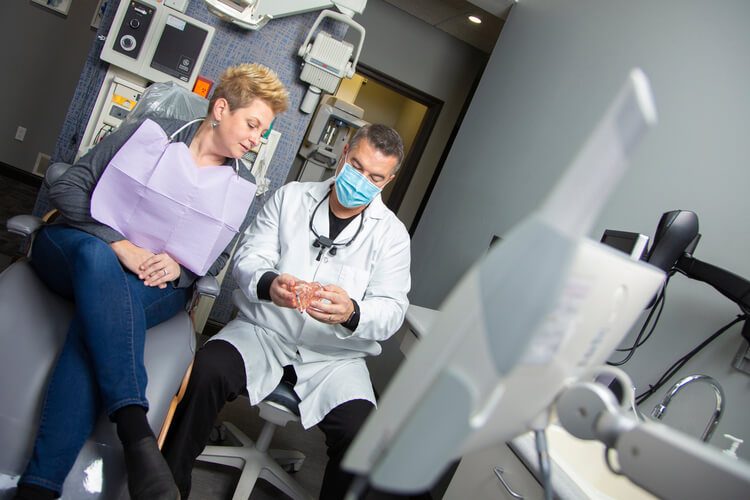
Choosing Westdale Dental for your preventive care means partnering with a team that focuses on long-term oral health, not just quick appointments. Our Cedar Rapids dental team emphasizes patient education, personalized treatment recommendations, and routine preventive services like cleanings, exams, and digital X-rays to help you avoid more serious dental problems down the road. With comprehensive care for patients of all ages, flexible scheduling, and an affordable membership option that includes preventive visits, Westdale Dental makes it easier to stay consistent with the care your smile needs.


Preventative Dental Care Includes:

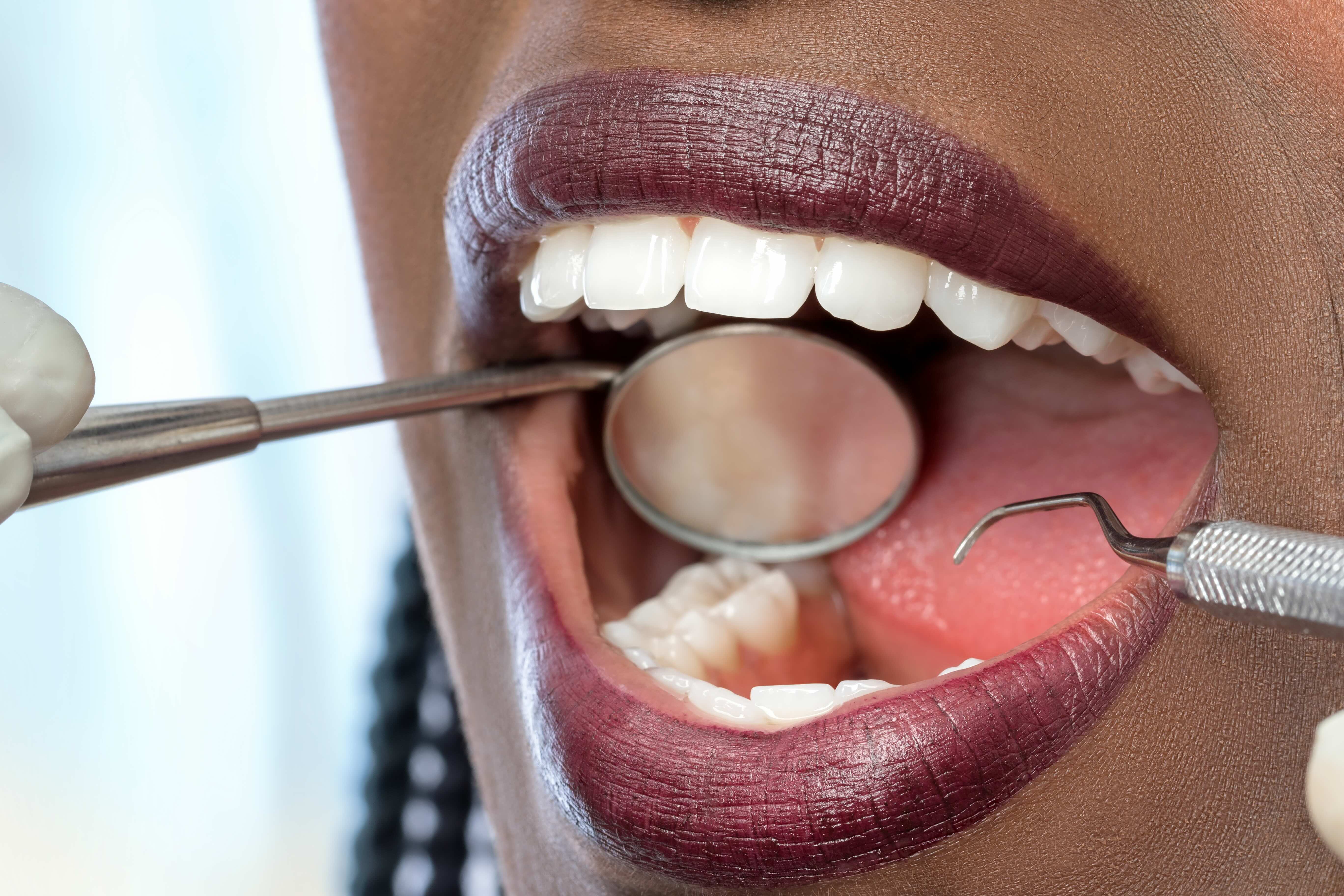
Regular Dental Exams

Routine dental exams help catch cavities, gum disease, and other issues early before they become bigger problems. We carefully evaluate your teeth, gums, and overall oral health to keep your smile on track.

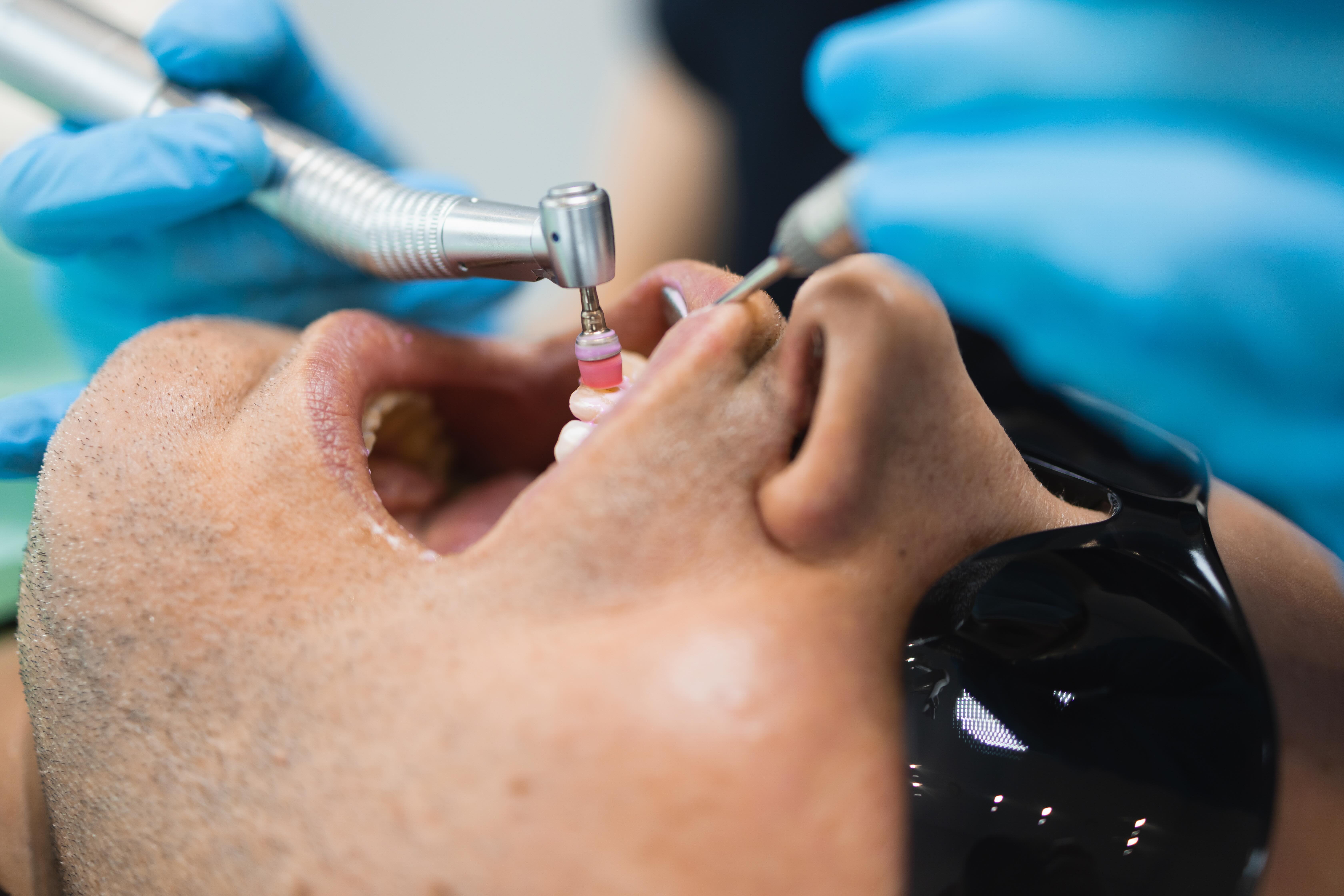
Teeth Cleaning

Professional cleanings remove plaque and tartar buildup that brushing and flossing alone can’t reach. Regular cleanings help prevent cavities, gum disease, and keep your teeth looking their best.

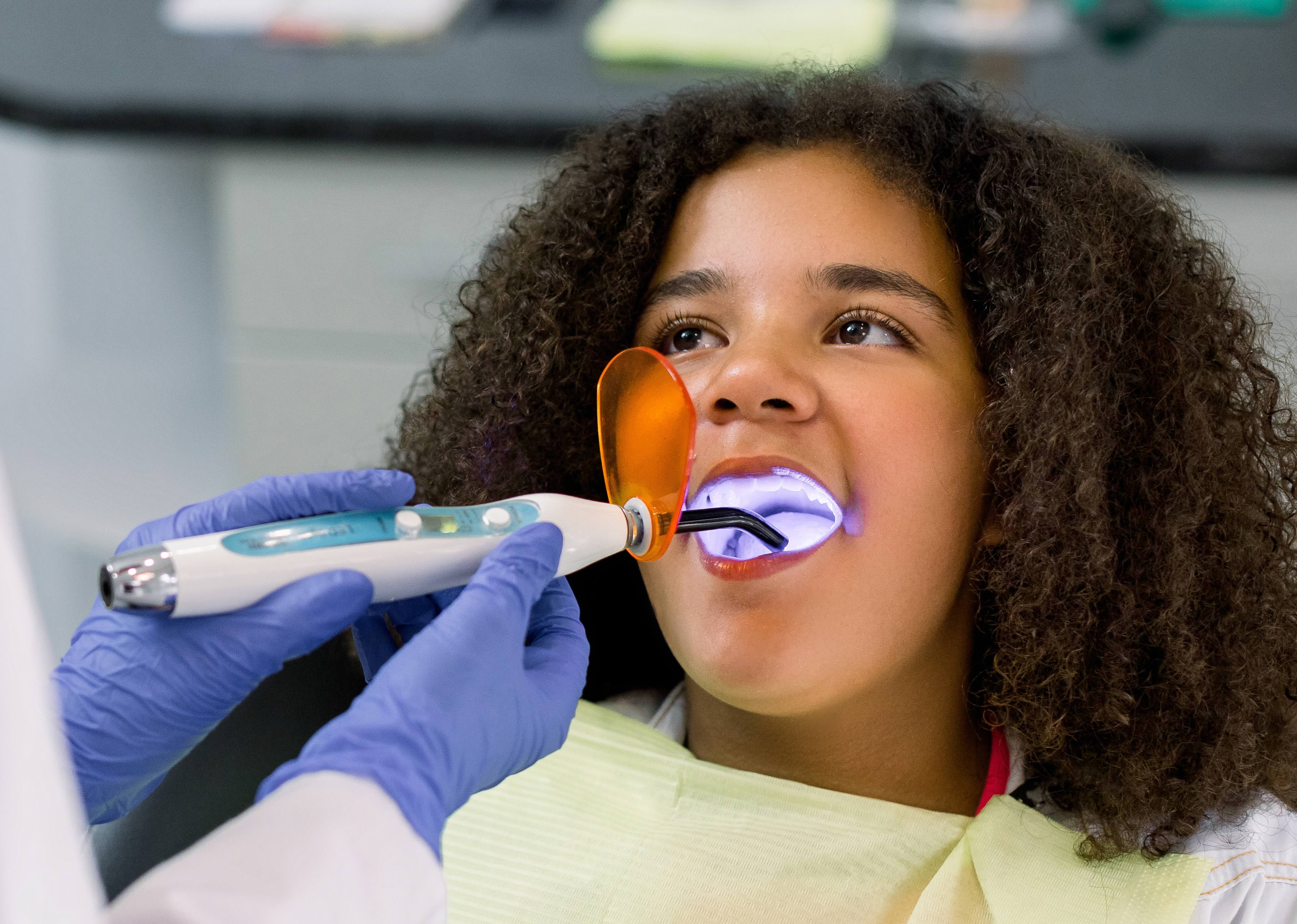
Sealants and Fluoride Treatments

Sealants and fluoride treatments add an extra layer of protection against tooth decay. These quick preventive treatments help strengthen enamel and protect vulnerable areas from cavities.


Preventative Treatments for You


Frequently Asked Questions About Teeth Cleaning

How often should I have my teeth cleaned?
We generally recommend a professional teeth cleaning and exam every six months to help prevent cavities and gum disease. Your dental team may adjust that schedule depending on your specific oral health needs.
What happens during a teeth cleaning?
A hygienist will remove plaque and tartar buildup from your teeth, polish the surfaces, and check for any signs of gum disease or other issues. This supports long-term oral health and helps keep your smile healthy.
Will a routine teeth cleaning hurt?
Routine cleanings are typically comfortable. Some patients feel mild sensitivity during or after the appointment, especially if they haven’t had a cleaning in a while, but it isn’t painful for most people.
Do cleanings include X-rays?
Not always. X-rays are taken as needed to check for decay, bone loss, or other issues not visible during a visual exam. Your dentist will let you know if X-rays are recommended.
Can I get my teeth cleaned if I have sensitive teeth or gum issues?
Yes. If you have sensitivity or gum irritation, let us know. We can adjust the cleaning process and talk through any concerns to make you comfortable.
Will my insurance cover a cleaning?
Most dental insurance plans cover preventive cleanings at least once or twice a year. It’s always a good idea to check your benefits ahead of time.
How should I care for my teeth between cleanings?
Brush twice a day with fluoride toothpaste, floss daily, and keep up with healthy habits. Good home care makes professional cleanings more effective and helps prevent problems between visits.
How often should I have my teeth cleaned?
We generally recommend a professional teeth cleaning and exam every six months to help prevent cavities and gum disease. Your dental team may adjust that schedule depending on your specific oral health needs.
What happens during a teeth cleaning?
A hygienist will remove plaque and tartar buildup from your teeth, polish the surfaces, and check for any signs of gum disease or other issues. This supports long-term oral health and helps keep your smile healthy.
Will a routine teeth cleaning hurt?
Routine cleanings are typically comfortable. Some patients feel mild sensitivity during or after the appointment, especially if they haven’t had a cleaning in a while, but it isn’t painful for most people.
Do cleanings include X-rays?
Not always. X-rays are taken as needed to check for decay, bone loss, or other issues not visible during a visual exam. Your dentist will let you know if X-rays are recommended.
Can I get my teeth cleaned if I have sensitive teeth or gum issues?
Yes. If you have sensitivity or gum irritation, let us know. We can adjust the cleaning process and talk through any concerns to make you comfortable.
Will my insurance cover a cleaning?
Most dental insurance plans cover preventive cleanings at least once or twice a year. It’s always a good idea to check your benefits ahead of time.
How should I care for my teeth between cleanings?
Brush twice a day with fluoride toothpaste, floss daily, and keep up with healthy habits. Good home care makes professional cleanings more effective and helps prevent problems between visits.

Frequently Asked Questions About Fluoride Treatments

What is a fluoride treatment?
A fluoride treatment is a quick, in-office application of concentrated fluoride that strengthens tooth enamel and helps prevent cavities.
Who should get fluoride treatments?
Fluoride isn’t just for kids. Adults who are prone to cavities, have sensitive teeth, dry mouth, or a history of dental work can benefit too.
How does fluoride protect my teeth?
Fluoride helps rebuild weakened enamel and makes your teeth more resistant to acid from plaque, bacteria, and sugary foods.
How long does a fluoride treatment take?
The process takes just a few minutes and is usually done at the end of your regular cleaning appointment.
Does fluoride treatment hurt?
Not at all. It’s completely painless. The fluoride is typically brushed or painted onto your teeth as a varnish or gel.
Can I eat or drink after fluoride treatment?
You’ll usually be asked to wait about 30 minutes before eating or drinking so the fluoride has time to fully absorb.
How often should I get fluoride treatments?
Many patients receive fluoride every six months during routine cleanings. Your dentist may recommend more frequent treatments if you’re at higher risk for cavities.
Is fluoride safe?
Yes. Professional fluoride treatments are safe, widely used, and backed by decades of research for preventing tooth decay.
What is a fluoride treatment?
A fluoride treatment is a quick, in-office application of concentrated fluoride that strengthens tooth enamel and helps prevent cavities.
Who should get fluoride treatments?
Fluoride isn’t just for kids. Adults who are prone to cavities, have sensitive teeth, dry mouth, or a history of dental work can benefit too.
How does fluoride protect my teeth?
Fluoride helps rebuild weakened enamel and makes your teeth more resistant to acid from plaque, bacteria, and sugary foods.
How long does a fluoride treatment take?
The process takes just a few minutes and is usually done at the end of your regular cleaning appointment.
Does fluoride treatment hurt?
Not at all. It’s completely painless. The fluoride is typically brushed or painted onto your teeth as a varnish or gel.
Can I eat or drink after fluoride treatment?
You’ll usually be asked to wait about 30 minutes before eating or drinking so the fluoride has time to fully absorb.
How often should I get fluoride treatments?
Many patients receive fluoride every six months during routine cleanings. Your dentist may recommend more frequent treatments if you’re at higher risk for cavities.
Is fluoride safe?
Yes. Professional fluoride treatments are safe, widely used, and backed by decades of research for preventing tooth decay.

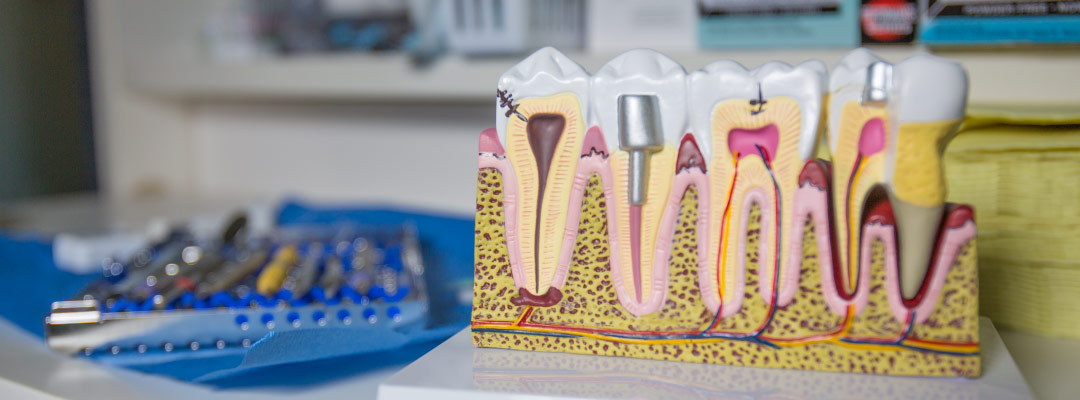
Frequently Asked Questions About Periodontal (Gum Disease) Treatments

What is periodontal disease?
Periodontal disease, or gum disease, is an infection of the gums and supporting bone caused by plaque and tartar buildup. If left untreated, it can lead to tooth loss.
What are the signs of gum disease?
Common symptoms include red or swollen gums, bleeding when brushing or flossing, bad breath, gum recession, or loose teeth.
How is gum disease treated?
Treatment usually starts with a deep cleaning called scaling and root planing, which removes bacteria and buildup below the gumline to help your gums heal..
What is scaling and root planing?
It’s a more thorough cleaning than a routine visit. We clean deep around each tooth and smooth the root surfaces to prevent bacteria from reattaching.
Does periodontal treatment hurt?
We use local anesthetic to keep you comfortable. Most patients feel little to no discomfort during the procedure.
How long does treatment take?
Depending on the severity, treatment may be completed in one or two visits. More advanced cases may require additional appointments or maintenance therapy.
Can gum disease be reversed?
Early gum disease (gingivitis) can often be reversed with professional cleanings and good home care. More advanced stages can be managed and stabilized but not fully reversed.
Will I need special care after treatment?
Yes. Regular brushing, flossing, and more frequent maintenance cleanings (often every 3–4 months) help keep gum disease under control.
What happens if gum disease isn’t treated?
Untreated gum disease can lead to bone loss, loose teeth, tooth loss, and may even affect overall health.
What is periodontal disease?
Periodontal disease, or gum disease, is an infection of the gums and supporting bone caused by plaque and tartar buildup. If left untreated, it can lead to tooth loss.
What are the signs of gum disease?
Common symptoms include red or swollen gums, bleeding when brushing or flossing, bad breath, gum recession, or loose teeth.
How is gum disease treated?
Treatment usually starts with a deep cleaning called scaling and root planing, which removes bacteria and buildup below the gumline to help your gums heal..
What is scaling and root planing?
It’s a more thorough cleaning than a routine visit. We clean deep around each tooth and smooth the root surfaces to prevent bacteria from reattaching.
Does periodontal treatment hurt?
We use local anesthetic to keep you comfortable. Most patients feel little to no discomfort during the procedure.
How long does treatment take?
Depending on the severity, treatment may be completed in one or two visits. More advanced cases may require additional appointments or maintenance therapy.
Can gum disease be reversed?
Early gum disease (gingivitis) can often be reversed with professional cleanings and good home care. More advanced stages can be managed and stabilized but not fully reversed.
Will I need special care after treatment?
Yes. Regular brushing, flossing, and more frequent maintenance cleanings (often every 3–4 months) help keep gum disease under control.
What happens if gum disease isn’t treated?
Untreated gum disease can lead to bone loss, loose teeth, tooth loss, and may even affect overall health.

Resources

Browse the Insurance, Financing, and FAQ resources that help our patients find the information they're seeking.